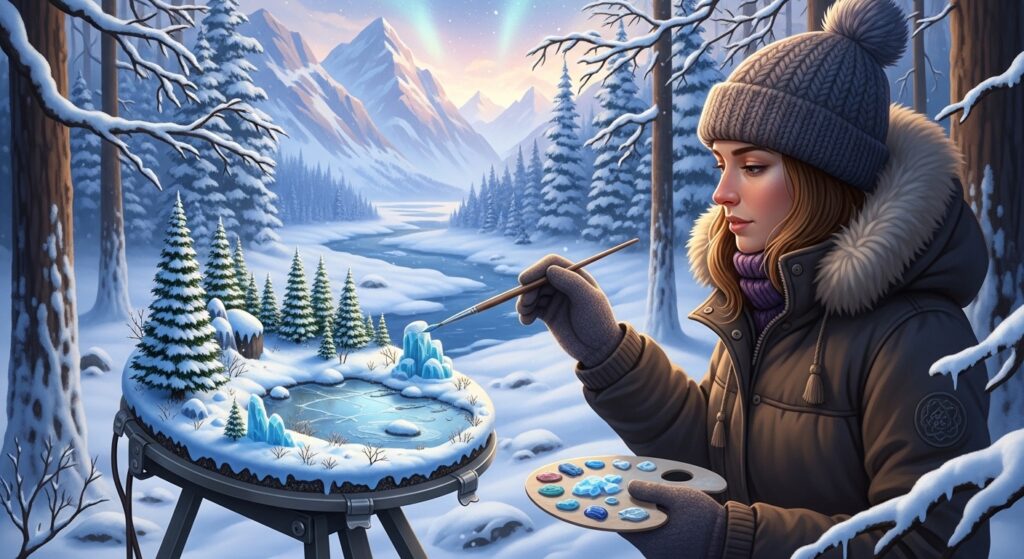
Welcome to the enchanting world of Snowhiter, where winter landscapes come to life with breathtaking beauty. If you’ve ever marveled at a snow-blanketed forest or gazed in awe at frost-kissed branches glistening under the sun, you’ve tapped into the spirit of this unique art form. Snowhiter captures not just the chill of winter but also its warmth and vibrancy through skillful artistry and emotion. This blog post will guide you on a journey through snowy terrains, offering insights on creating your own stunning winter scenes that resonate deeply with viewers. Whether you’re an experienced artist or an enthusiastic beginner, there’s something magical waiting for you in every brushstroke!
What is Snowhiter?
Snowhiter embodies a captivating approach to winter art. It blends realism with a touch of whimsy, allowing artists to portray the serene beauty of snowy landscapes.
The name evokes images of frosted trees, glistening ice, and tranquil scenes that inspire awe. Snowhiter is not just about painting; it’s an experience.
Artists who embrace this style often find themselves enchanted by the subtleties of winter light and shadow. Each stroke captures the ephemeral nature of snowflakes as they dance through the air or settle softly on branches.
What sets Snowhiter apart is its focus on emotion. Every canvas invites viewers into a world where winter isn’t merely cold but brimming with life and stories waiting to be told. This unique perspective transforms ordinary scenes into extraordinary moments frozen in time.
Choosing the perfect location for a winter landscape
Finding the right location for a winter landscape is crucial to capturing its essence. Look for places that showcase untouched snow, like quiet forests or sprawling meadows. These settings can add an air of mystery and tranquility.
Consider elevation too. Higher altitudes offer breathtaking views where rolling hills meet frosty peaks. Locations near water bodies glisten beautifully when covered in ice, creating stunning reflections.
Think about accessibility as well; you want to be able to reach your chosen spot without hassle. Early morning light often casts magical shadows, so timing matters greatly.
Pay attention to how the environment interacts with weather conditions. A fresh snowfall transforms ordinary scenes into extraordinary winter wonderlands, making spontaneity a key player in your artistic journey.
Tips for capturing the beauty of snow and ice in your art
When it comes to capturing snow and ice, observation is key. Take time to study how light interacts with these elements. Notice the subtle blues and greens reflecting off icy surfaces.
Use a limited palette for your colors. Whites can be warm or cool, depending on the light source. Incorporate soft pastels alongside vibrant hues for depth.
Experiment with different brush techniques. A dry brush can create texture, mimicking the roughness of snowy terrain or frosty branches.
Don’t shy away from using mixed media; adding layers of paper or even glitter can enhance the sparkle of freshly fallen snow.
Embrace imperfections in your work. Sometimes those unexpected splatters lead to beautiful effects that resonate with winter’s unpredictable nature.
Techniques for creating depth and texture in your paintings
Creating depth in your winter landscapes requires a keen eye for layering. Start with the background, choosing cooler colors to push elements further away. Gradually move forward with warmer tones as you approach the foreground.
Texture plays a vital role too. Use palette knives or sponges to add dimension to snowdrifts and icy surfaces. This technique can mimic the roughness of frost or the smoothness of freshly fallen snow.
Don’t forget about brush strokes; varied techniques can suggest different textures. A gentle flick of your wrist might evoke delicate flurries, while bold swipes create dramatic ice formations.
Experimenting with mixed media is another exciting avenue. Incorporating materials like salt or sand can provide unique finishes that catch light beautifully and enhance visual interest in your painting. Always be open to adjusting layers as you go, allowing each element space to breathe within the composition’s overall harmony.
Adding elements of nature, such as animals and trees, to your artwork
Incorporating elements of nature can breathe life into your winter landscapes. Think about the delicate silhouette of a tree against the white backdrop. It adds contrast and interest, drawing viewers in.
Animals also have a significant role. A lone deer or a flock of birds can evoke feelings of serenity and wonder. They create stories within your artwork, inviting interpretation.
Consider texture when adding these natural elements. The rough bark on trees contrasts beautifully with smooth snowflakes, enhancing visual appeal.
Placement matters too; don’t overcrowd your canvas. Instead, let each element breathe and stand out amidst the snowy expanses.
Balance is key to creating harmony in your piece; ensuring animals and trees feel part of that serene winter scene will elevate your work to new heights.
The importance of lighting in winter landscapes
Lighting is a crucial element in winter landscapes. It transforms how we perceive the snow and ice, revealing hidden textures and nuances.
In the early morning or late afternoon, soft light creates enchanting shadows that dance across the surface of fresh snow. The way sunlight glistens on icicles can evoke an ethereal quality that captivates viewers.
Consider overcast days as well. Diffused light adds a serene ambiance to your artwork, making colors appear more muted yet harmonious.
Pay attention to the angle of light as it shifts throughout the day. This variation impacts not only color but also mood, allowing you to convey emotions effectively through your scenes.
Experimenting with lighting conditions will help you discover unique perspectives and enhance your artistic expression in winter landscapes.
How to convey emotions through winter scenes
Winter scenes have a powerful ability to evoke emotions. The stillness of freshly fallen snow can inspire feelings of peace and solitude. To convey warmth, consider using soft colors like gentle pastels. This creates a cozy atmosphere, inviting viewers into your world.
Contrast is essential in expressing emotion. Dark shadows against bright snow can illustrate the struggle between light and darkness, reflecting life’s complexities. Incorporating movement adds dynamism. A gust of wind swirling through branches or footprints leading away from the viewer tells a story, sparking curiosity about what lies beyond.
Textures play a crucial role too. Rough surfaces on tree bark juxtaposed with smooth ice can heighten emotional tension within your artwork, making it more relatable. Remember that winter landscapes are not just about cold; they encompass memories and sentiments waiting to be unveiled by each brushstroke.
Conclusion
The world of Snowhiter offers a captivating glimpse into the art of winter landscapes. By understanding their unique style and techniques, you can enhance your own artistic journey. Finding that perfect location is key; nature provides endless inspiration with its soft snow drapes and shimmering ice.
Capturing the beauty of winter requires an eye for detail. Pay attention to how light dances on surfaces, illuminating textures in ways that evoke emotion. Techniques like layering colors add depth, creating paintings that draw viewers in.
Incorporating elements such as trees or animals adds life to your scenes, inviting those who gaze upon them to explore further. The right lighting transforms ordinary moments into something magical, emphasizing shadows and highlights alike.
As you embark on your artistic endeavors this winter season, remember each brushstroke holds potential embrace it fully! Through practice and exploration, you’ll find your voice within these serene white landscapes crafted by Snowhiter’s legacy.